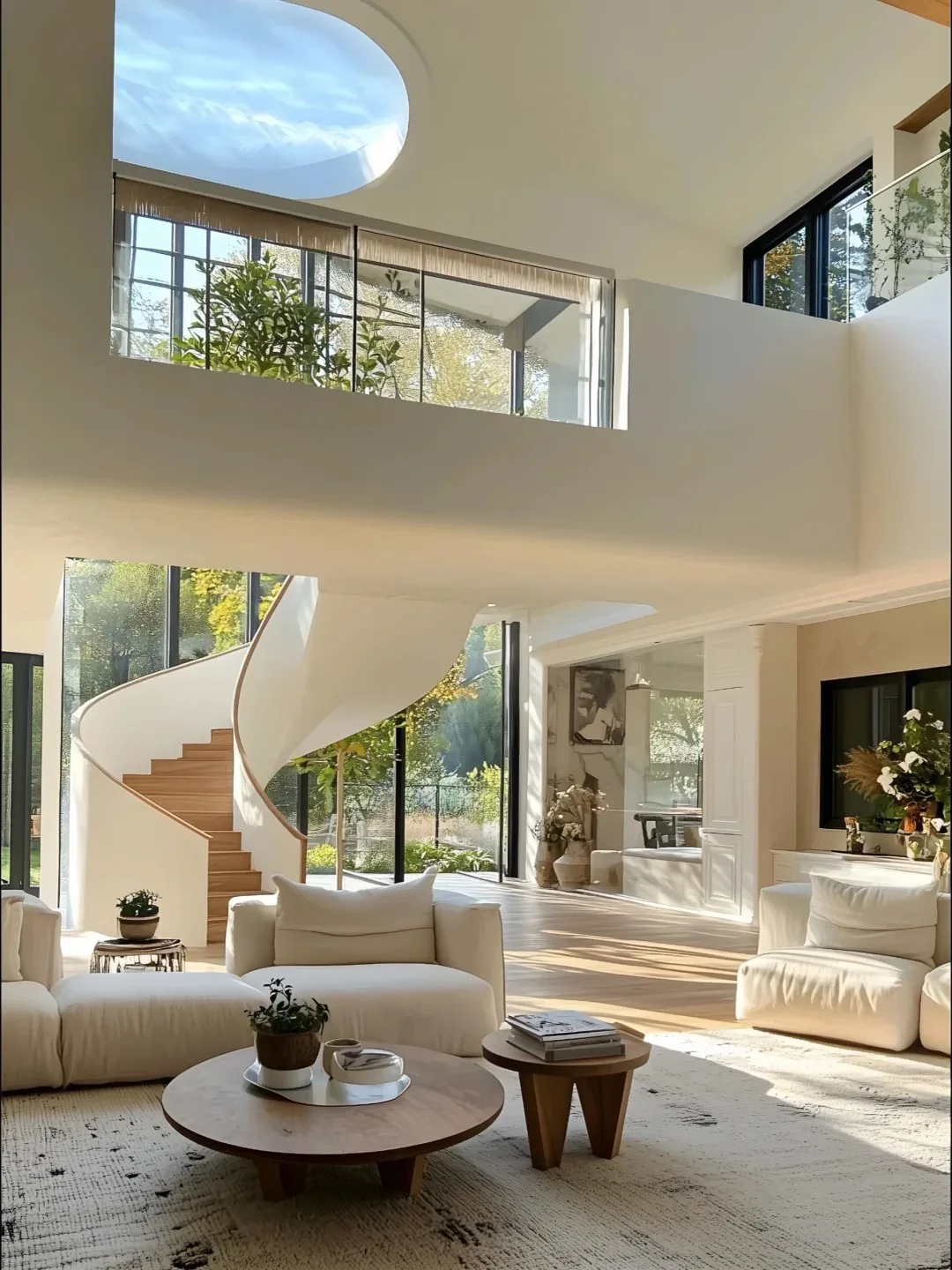
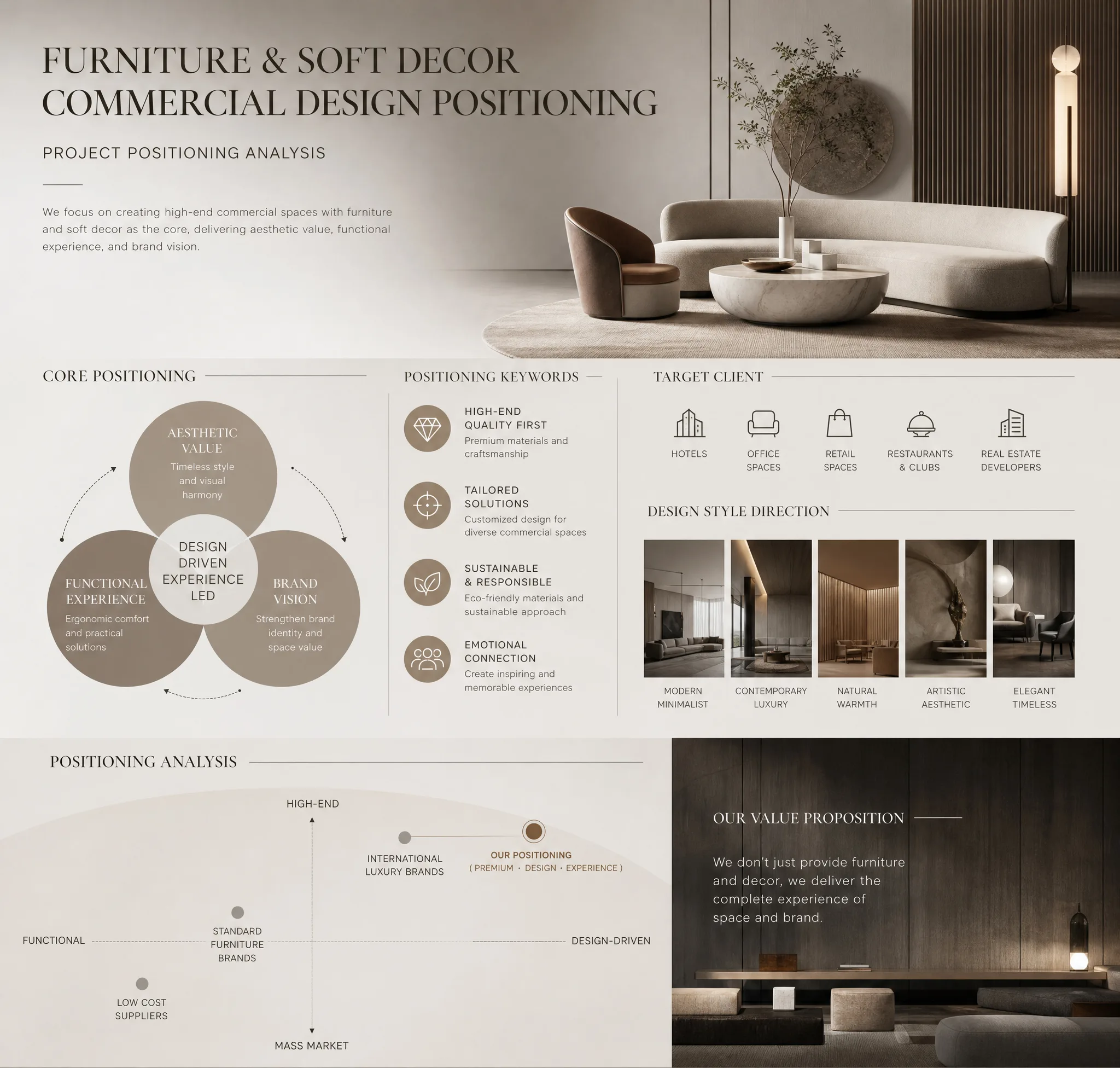
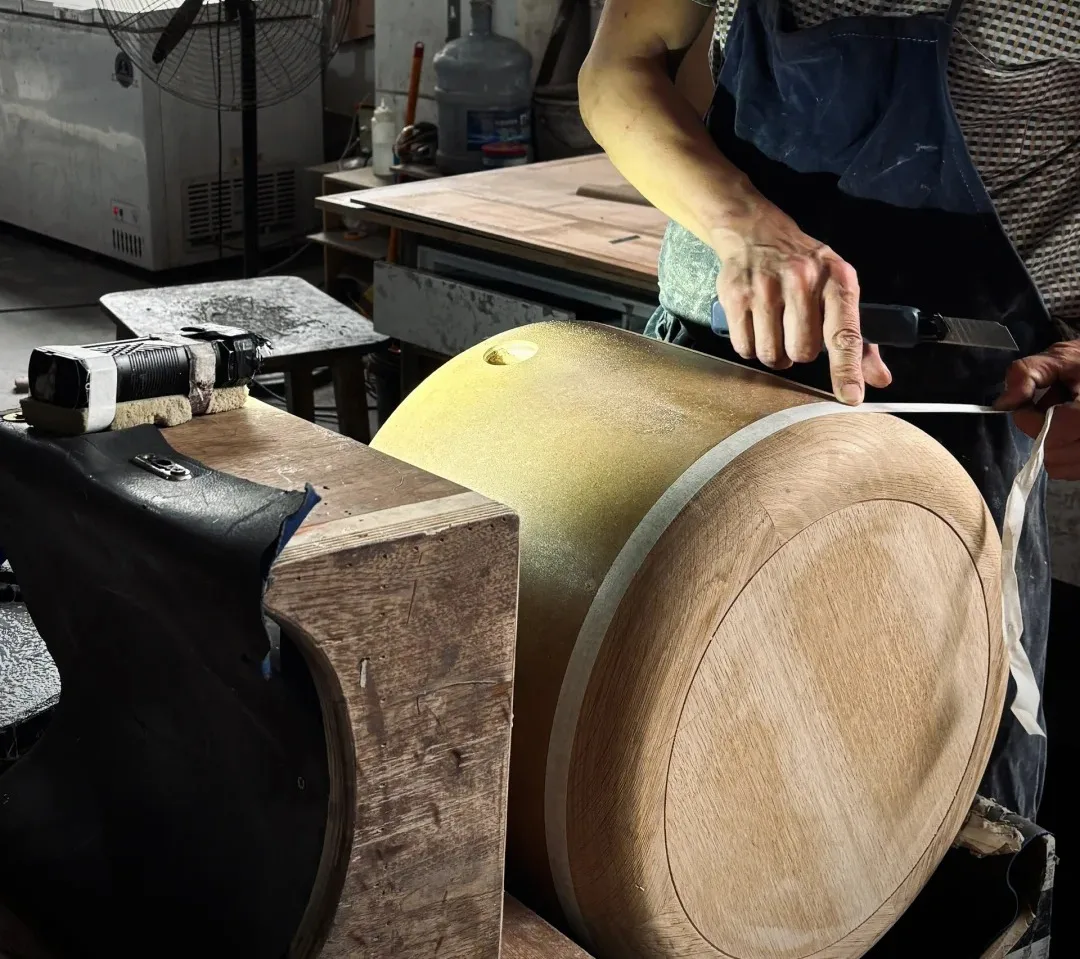
Project-specific furniture developed from references, drawings or BOQs with explicit dimensions, materials, construction, samples and quality evidence.
02Wall panels, screens, doors and built-in cabinetry
03Custom dimensions, materials, colours and finishes
04Drawing, material, workmanship and packing standards
Custom furniture should remove uncertainty.
It should not create more of it. The right partner connects spatial design, technical development, insight into manufacturing and material choice through a single, well-managed process.
01
A concept without a developed furniture plan
You may know the atmosphere you want but lack the experience to coordinate furniture scale, circulation, materials and finishes. A product can be well made and still be wrong for the room.
02
An unclear manufacturing source
A showroom or intermediary may not reveal who will actually make the furniture. Without seeing the production process, it becomes difficult to confirm materials, progress, workmanship and corrective action.
03
A supplier unable to manage a complete package
A multi-category package demands design development, matched samples, specialist workshops and programme control. Limited capacity can turn custom production into an open-ended wait.
04
Restricted materials and design language
True customization should not force the project into one factory's standard finishes. Dimensions, materials, construction and visual character must respond to the brief and intended use.
Specific to the design. Clear enough to inspect.
01
Designed around the project
Dimensions, materials, finishes and construction are developed for the space, use condition and desired experience.
02
Quality that preserves character
Drawing review, samples and staged inspections protect both the technical standard and the design intention.
03
Materials made explicit
Substrates, veneers, stone, metal, upholstery and hardware are documented and submitted for your approval — no guessing from reference images.
Seating, dining and occasional tables, cabinets and sculptural pieces can be developed within a shared design direction while retaining the construction appropriate to each category.
Send a drawing or reference ↗Selected custom-production examples from the YUESHAN source archive. Final specifications are developed per project.
What should be custom, standard or completed locally?
Choose custom furniture when a defined dimension, material, finish or interface cannot be met by a suitable existing product. Compare the custom route against a standard option on cost and any local work required. Neither route is automatically cheaper, faster or better.
What information makes the choice practical?
Plans, item quantities, dimension constraints and design references.
Material priorities and details that may change.
Use, cleaning, maintenance and applicable project requirements.
Budget assumptions, target date, access and installation responsibility.
Open site dimensions, sample requirements and decision owners.
Custom
Define what must be made differently and why. Ask for construction, sample scope, quantity conditions and development costs. Keep unresolved fields visible before comparing prices.
Standard
Compare a named product against the required dimensions and use. Confirm availability, finish options, lead time and care information. An existing range is not automatically in stock or suitable.
Hybrid or local
Keep selected pieces custom while reviewing standard items and site-dependent work separately. Name who measures, supplies fillers, installs and closes interfaces. Partial supply is not automatically turnkey.
Where should the scope stop?
A reference image establishes a direction, not approval of every detail or permission to reproduce protected designs. Develop a project-specific proposal and confirm authorization where relevant. Residential projects remain a distinct application, not a hotel subcategory.
One-off items need an agreed review approach; repeated items need a consistent accepted reference. Sample approval does not resolve unknown site dimensions. Compare each route against the same installation and handover scope.
What evidence supports the proposal?
Ask for item-coded specifications, drawing revisions, material references, sample decisions and inspection records that belong to the proposed item and production route. Confirm project-specific commercial terms—including quantity conditions, programme, packing, delivery responsibility and warranty—in the quotation rather than relying on a general website claim.
Our project experience covers movable furniture and more technically demanding fixed elements for villas, hotels, restaurants, clubs, show homes and workplaces.
Upholstered furniture
Solid wood and veneered casegoods
Stone and metal integration
Architectural joinery
02
Custom or standard production?
Custom work makes sense when dimensions, material combinations, finish or architectural integration matter. Standard products suit situations where lead time, repeatability and cost take priority. YUESHAN can mix both routes within a single project.
Custom: project-specific size, finish, material and detailing
Standard: verify existing construction, availability and full scope
Hybrid: customise signature pieces and standardise low-risk items
03
A drawing that production can use
The production package identifies the project and item, shows the required views and dimensions, names all visible and concealed materials, explains surface treatments, details connections and sections, and records special hardware, tolerances and approvals.
Product and project identification
Views, dimensions and component positions
Material and finish call-outs
Sections, joints, fittings and special functions
04
From one sample to repeat production
The approval route can include finish samples, material boards, white-body checks, upholstery comfort review and a completed prototype. Once approved, the control sample and drawing become the references for production and inspection.
05
Furniture categories and specialist workshops
Where several specialist workshops are proposed, the project should use one item-coded specification and agreed inspection plan while recording each workshop's responsibility and any exceptions.
Solid wood and veneered furniture
Sofas, beds and upholstered seating
Stone, glass and metal integration
Wall panels, cabinetry, doors and fixed elements
Before you appoint a delivery partner.
What does bespoke furniture mean for a hotel or villa project?
It is furniture developed to project-specific dimensions, materials and finishes rather than selected from a catalogue. YUESHAN can develop the project information through its Guangzhou design team and a confirmed Foshan manufacturing route, subject to the responsibilities stated in the proposal.
What is the difference between custom and standard furniture?
Custom work addresses project-specific requirements; standard products come from existing ranges. Compare actual suitability, availability, development cost and approval needs. A hybrid package may use both.
How long does custom furniture take from drawing to delivery?
Confirm the timeline against scope, material availability, sample revisions, production, QC and destination arrangements. Planning durations are not a promised delivery date.
Can you match a reference image or interior designer's rendering?
Yes. YUESHAN's design team develops dimensions, materials, finishes, construction drawings, samples and quality references from plans, renderings, moodboards or a furniture schedule.
How are bespoke furniture samples and quality approved?
Approvals run from finish samples and material boards through white-body checks, upholstery comfort review and a completed prototype. Once approved, the control sample and drawing become YUESHAN's reference for production and inspection.
A project conversation
Bespoke furniture starts with the room, not the catalogue.
A custom item is useful only when it resolves the room: the scale, circulation, adjoining finishes, daily use and the visual weight intended by the designer.
Owner
What makes the quotation comparable?
Define the visible finish, substrate, construction, hardware, upholstery and approval sample. A lower price with a different build is not the same offer.
Procurement
What information should be frozen first?
Freeze the drawing revision, dimensions, finish reference, quantity, interface conditions and packaging responsibility before the purchase order becomes the only control document.
Designer
How is the design kept alive through production?
Critical proportions, edge profiles, grain direction, seam lines, junctions and touch points are carried into shop drawings and sample comments—not left inside the rendering.
Bring to the conversation
Share the latest drawings or rendering, furniture schedule or BOQ, room quantities, destination, target programme, material references and the decisions that are still open. We will identify what can be quoted now and what should be clarified before production.
 YUESHANDECODesign-led custom furniture & FF&E delivery partner in ChinaSubmit a project ↗