 YUESHANDECODesign-led custom furniture & FF&E delivery partner in ChinaSubmit a project ↗
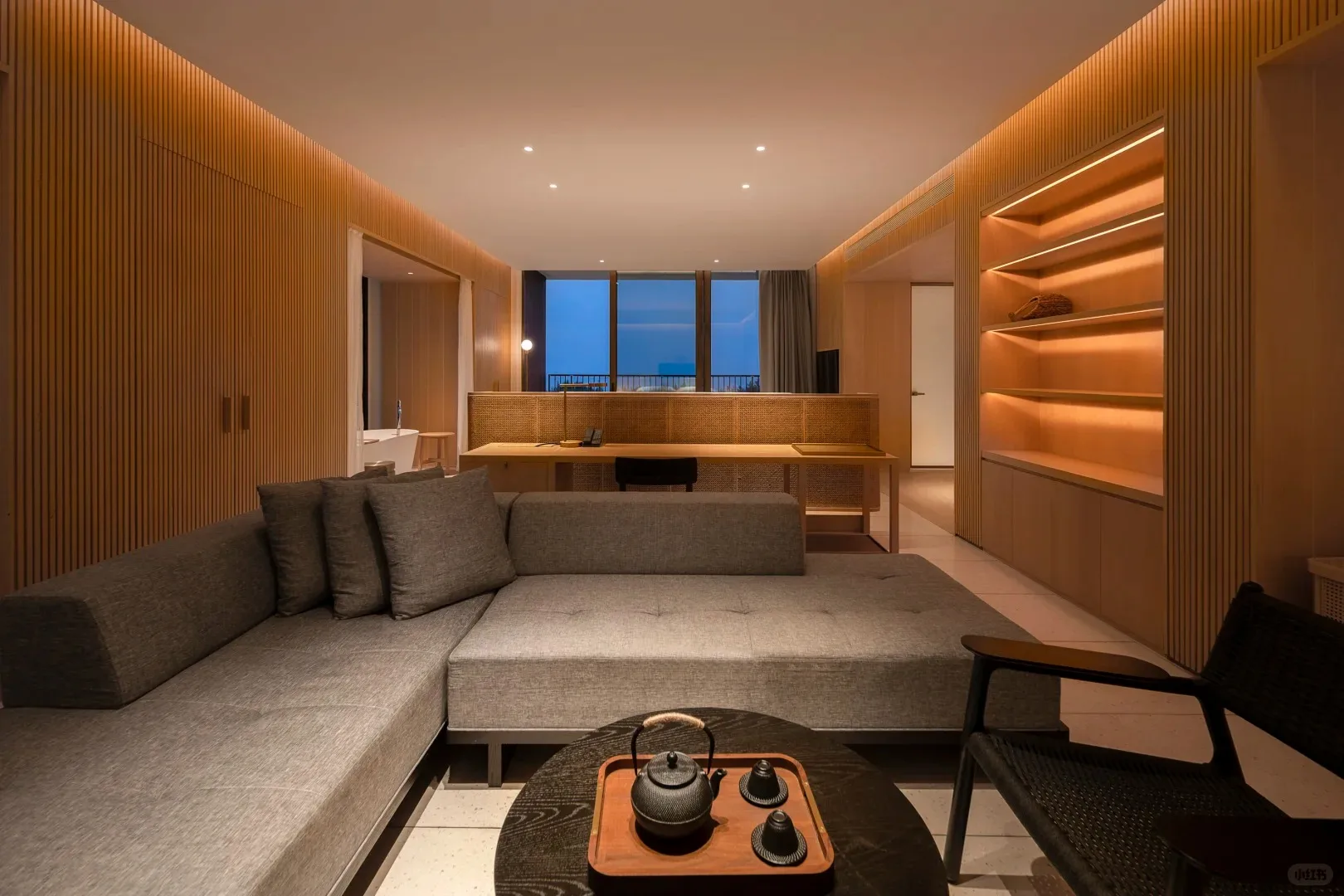
The room reveals what an isolated sample cannot
A mock-up tests furniture against actual circulation, power points, wall finishes, lighting, housekeeping needs and guest use. It is the point where separate specifications become one room. The review sequence itself is documented in the mock-up approval guide, which sets out the decision matrix, the sample references and the sign-off route.
Review before repetition
Approved changes should be captured in revised shop drawings, finish samples and a signed snag record before production quantities are released. Use the item-level sample approval form to record each decision, and the model-room-to-bulk guide to carry accepted changes into repeat production.
- Proportion and circulation
- Comfort and ergonomics
- Colour under project lighting
- Joinery and MEP interfaces
- Installation and maintenance access
Turn the approved room into a control standard
The accepted mock-up becomes a reference for in-process inspection, final inspection and installation—not merely a presentation room.
Choose the room that carries the most risk
Not every room type needs a mock-up, and one built on the simplest room proves the least. Select the room that concentrates the interfaces: the most fitted joinery, the most awkward ceiling or wall condition, the most handover between trades. The guestroom furniture scope sets out which room-type differences have to be recorded before a single representative room is chosen, because a mirrored layout or an accessible room can change the same piece in ways a photograph will not show.
Record the review as decisions, not impressions
A walk-through produces opinions unless someone writes down what was accepted, what was rejected and what changes. Keep one record per item with the drawing revision, the change, the owner and the date, then reissue the affected drawings instead of annotating the room itself. Without that step the mock-up becomes a conversation people remember differently a month later.
What the mock-up cannot prove
A single room cannot demonstrate bulk consistency, packing performance or installation sequence. It proves the design and the interfaces; it does not prove that unit forty will match unit one. Say so during the review and put the bulk checks where they belong — incoming materials, first production article, in-process and pre-packing — which is the staged sequence in the hotel furniture quality-control checklist.
When a mock-up is not worth building
If the package is a catalogue selection with no fitted work and no interface with the building, a mock-up adds cost without adding information. The test is whether unresolved decisions exist. Where they do, a physical room settles more in one walk-through than a month of drawing comments; where they do not, an approved sample and a first article cover the same ground at a fraction of the effort.
Cost, programme and who carries them
A mock-up room costs money and time, and the useful question is not whether it can be avoided but who carries it. Built into the furniture package, it is a line item and a programme step; treated as an extra, it becomes a negotiation while the production date stays fixed. Agree before the room is built what happens to it afterwards: retained as a control reference, handed over as a finished room, or dismantled and written off. The answer changes the specification, because a room that stays in service needs finishes and construction that survive operation, while a review room that is dismantled can carry temporary interfaces. Deciding this late usually produces a room too expensive to keep and too good to discard.
Working on a furniture or FF&E package?
Send the project information for an initial design and delivery review.
Discuss your project ↗