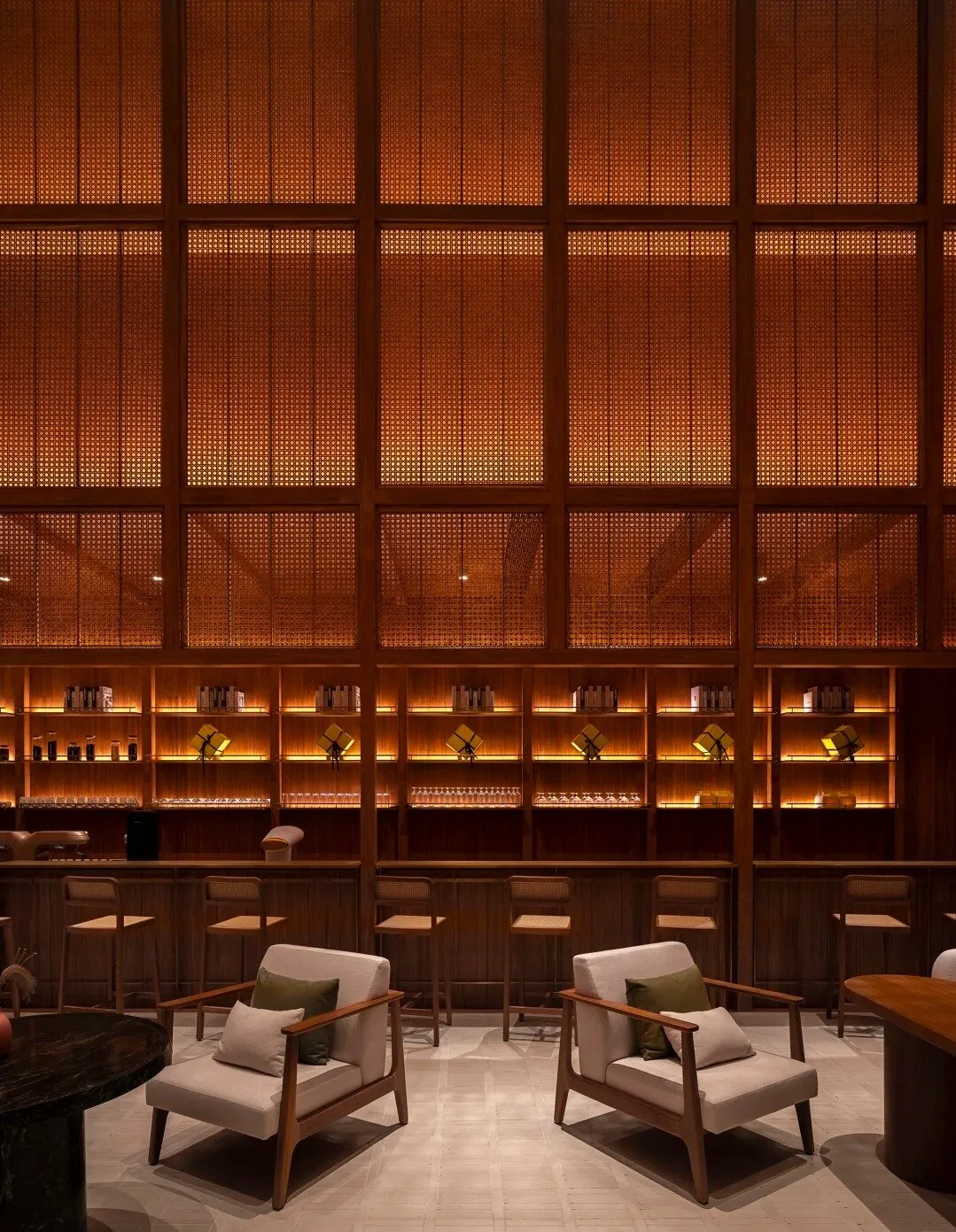
Custom hotel furniture and FF&E for trade clients

Clear terms for
designers and buyers.

Project-based quantities, defined approval stages and clearly stated commercial terms—so buyers can see what is included before appointment. The terms sit on top of the specification: inspection criteria decide what a claim can rest on, and the FF&E project system shows where each document belongs.

01Order quantities reviewed by item and project

02Typical custom production allowance: 30–45 days after approvals

03One-year warranty with lifetime maintenance support

04Project-required certificates reviewed by selected product

01

Who the trade programme is for

YUESHAN DECO / Tangwan works with the people who specify and buy furniture at scale: overseas interior designers, hotel owners and developers, villa and residence clients, and project procurement teams. One Guangdong-based manufacturer, procurement partner, supplier network and design studio coordinates design development, custom furniture, quality control and export delivery preparation.

  • Interior designers protecting a concept
  • Hotel owners and developers (guestrooms to public areas)
  • Villa and private-residence clients
  • Project procurement and purchasing teams
02

Quantities reviewed for the actual scope

Custom furniture and project-based B2B work are quoted without a minimum order quantity. Development, set-up and first-article cost is real, so it appears as its own line rather than being spread into a unit rate; that is why one villa room and a 120-room package do not carry the same unit price, and why neither needs a minimum order to be worth producing. The accessories and styling side of a package works the other way round. Cushions, throws, vases, artwork, trays and small decor items are picked, checked and re-packed by piece across many separate SKUs, so the handling cost per unit does not fall with volume. That part of a package starts at USD 5,000 per order.

  • Custom furniture and project work: no minimum order quantity
  • Accessories and styling items: USD 5,000 minimum order value
  • Development, prototype and first-article cost quoted as its own line
  • Quantity bands and replacement-batch conditions stated per item
03

Lead times you can plan around

For custom furniture, the typical production allowance is 30–45 days after drawings, materials, samples and the production slot are approved. Transport and site work need separate allowances, with changes recorded before the schedule is accepted.

  • Production allowance agreed after scope review
  • Prototype / mock-up before volume release
  • Milestone and exception reporting
  • Packing, labelling and consolidation planned up front
04

Materials, standards and fire safety

Materials are specified for the product, use and destination. Fire-retardant, abrasion, VOC, environmental and other certificates are reviewed according to the project requirement and the selected product. Internal material lists and inspection procedures are not certification; check the actual report and its applicability before approval.

  • Board, timber and frame requirements stated by item
  • Foam, fabric and leather identified by proposed product
  • Hardware by brand or approved-equal
  • Product-specific reports where required by the project
05

Manufacturing is one link in the chain

Making the furniture is only one part of a complete delivery system. Drawings, material approvals, staged inspection and export packing connect so the approved reference—not the factory's assumption—drives the result. YUESHAN does not provide site installation labour; local receiving, fixing and final acceptance remain with the client or appointed local contractor.

  • Drawings and materials approved before cutting
  • White-body and finish inspection stages
  • Packing selected by product and transport risk
  • One accountable project lead end to end
06

Payment milestones, in writing

Commercial terms are agreed per project and stated in the proposal and proforma invoice before production is released. No single split is published here, because a schedule that suits a phased hotel order does not suit one bespoke piece, and quoting one ratio as standard would only move the negotiation to the exceptions. What is fixed is the requirement: what the schedule has to make explicit is not only the amounts, but a named trigger for each payment and a document that proves the trigger happened. Where a project uses a letter of credit or produces in stages, the mechanism is confirmed at the same time as the price.

  • The percentage and the event that triggers the deposit
  • The document that releases the balance before dispatch
  • Whether staged production carries progress payments
  • Any retention or warranty hold-back the project requires
  • Currency, bank charges and who bears them

Check what the PI must state before a deposit is paid ↗

See which fees a quotation can hide ↗

07

Protecting the buyer before dispatch

Most of a buyer's protection is documentary. Inspection released against the approved reference, a condition record at each change of custody, and a reconciled packing list before dispatch do more than any assurance given in a meeting. Where an item is damaged or short, the record made at receipt decides how quickly it can be resolved; it does not by itself decide who is at fault.

  • Pre-shipment inspection released against the approved reference
  • Condition record at every change of custody
  • Packing list, invoice and shipping references reconciled before dispatch
  • One named contact for exceptions and claims

Prepare the condition record for each handoff ↗

Compare the same scope across quotations ↗

08

Warranty and claims after handover

The standard position is a one-year warranty with lifetime maintenance support. A complete claim is acknowledged within 24 hours; what follows depends on the cause, the remedy and the destination, and the proposal states the exact coverage, exclusions and spare-part conditions for the selected products. Spares follow the handover pack rather than a fixed percentage of the order, with one exception: screws, cam locks, dowels and brackets are packed at 3% of the quantity used, because they are consumed on site rather than failing in service. The handover pack records the item codes, approved references and retained samples a later claim is measured against.

  • Coverage period: one year from acceptance, with lifetime maintenance support
  • Acknowledgement of a complete claim within 24 hours
  • Exclusions stated by cause rather than implied
  • Claim route, required evidence and assessment steps
  • Fixings packed at 3% of the quantity used; other spares set by component

Build the handover pack a claim depends on ↗

Review the handover and support scope ↗

09

What the warranty covers, and what it does not

Coverage is directed at manufacturing and workmanship: structure, joinery, upholstery build-up, finish adhesion, and hardware function under intended use. It is not a maintenance contract, and the exclusions are listed by cause rather than left to inference. Movement and colour change from humidity, fading from daylight, wear from cleaning agents, damage from site handling, later modification by another party, and use outside the approved specification are not manufacturing faults. Coverage starts when an item is accepted, not when it is delivered, and a claim is judged against the condition the item was accepted in. That is why the handover condition record and the retained sample matter more than the invoice date once a dispute begins.

  • Covered: structure, joinery, upholstery build-up, finish adhesion, hardware function under intended use
  • Excluded by cause: humidity movement, daylight fading, cleaning-agent wear, site handling damage, later modification, use outside the approved specification
  • Start point: acceptance of the item, recorded in the handover pack
  • Basis of assessment: the condition recorded at acceptance and the approved reference held by both parties
010

What a claim needs before it can be assessed

A claim enters through one named route with enough information to assess it at the first exchange: item code and quantity affected, location, date of acceptance, photographs of the item and the affected detail, the approved reference it is being measured against, and whatever action has already been taken to protect the item. A complete claim is acknowledged within 24 hours. The assessment steps and any on-site inspection arrangement are stated in the proposal or service agreement for that project, because an inspection route that works in one city does not work in another. Where the product is in a live hotel or an occupied residence, the practical first question is usually whether an interim measure is needed before a final remedy is agreed.

  • Remedy stated as one of: repair, replacement, missing-part supply, or further review
  • A target date and an acceptance record for the remedy chosen
  • Replacement lead time and the approval route for repeat production after the warranty period
  • The party that holds the spare parts and issues them

Agree the spares and handover pack a claim depends on ↗

Separate transit damage from an in-service claim ↗

Before you brief a partner.

Is there a minimum order quantity for custom furniture from China?

Custom furniture and project-based B2B work are quoted without a minimum order quantity; development and set-up cost is a separate line instead of being spread into the unit price. Accessories and styling items — cushions, throws, vases, artwork, trays and small decor — carry a USD 5,000 minimum order value, because they are picked and inspected by piece across many SKUs.

How long does it take to produce custom hotel or villa furniture?

Custom furniture is typically planned around a 30–45 day production allowance after the item list, materials, drawings, samples and production slot are approved. Allow separately for transport, local receiving and site work.

Can you supply furniture for a specified fire-performance requirement?

Send the destination requirement and the proposed furniture assembly for review. Fire-retardant, abrasion, VOC, environmental and other certificates are handled according to project requirements and must match the selected product, material and construction.

What materials, hardware and quality standards do you work to?

Our 2025 profile documents internal drawing, material, workmanship and packing requirements. Each proposal should identify current materials, hardware, approved references and any product-specific test evidence required for its intended use.

What warranty do you provide?

One year from acceptance, with lifetime maintenance support. A complete claim — item code, location, photographs and acceptance date — is acknowledged within 24 hours. The proposal states the exact coverage, exclusions and any spare-part or replacement conditions for the selected products.

When are payments due on a custom furniture order?

Payment ratios are agreed per project rather than published as one standard split, because a small one-off villa room and a phased hotel package do not carry the same risk or the same production staging. The schedule is stated in the proposal and proforma invoice for the project, and identifies the event that triggers each payment, the document that releases it, and any progress or retention terms. Ask for the schedule in writing before production is released, together with the currency and bank-charge basis.

What happens if a piece arrives damaged?

Record the condition at receipt, keep the packaging and item identification, photograph the item and the affected detail, and raise it through the named contact. Transit damage and a manufacturing fault are assessed differently, and the condition record is what allows the right one to be identified.

See materials & quality framework ↗Review the FF&E service scope ↗Compare quotation assumptions ↗Prepare an editable project programme ↗Assign project responsibilities ↗Download the hotel furniture specification checklist (PDF) ↧

Send the drawings.
Get a scoped reply.

Share plans, renderings, BOQ or reference images with your target destination and delivery date for an initial review.

Start a project ↗