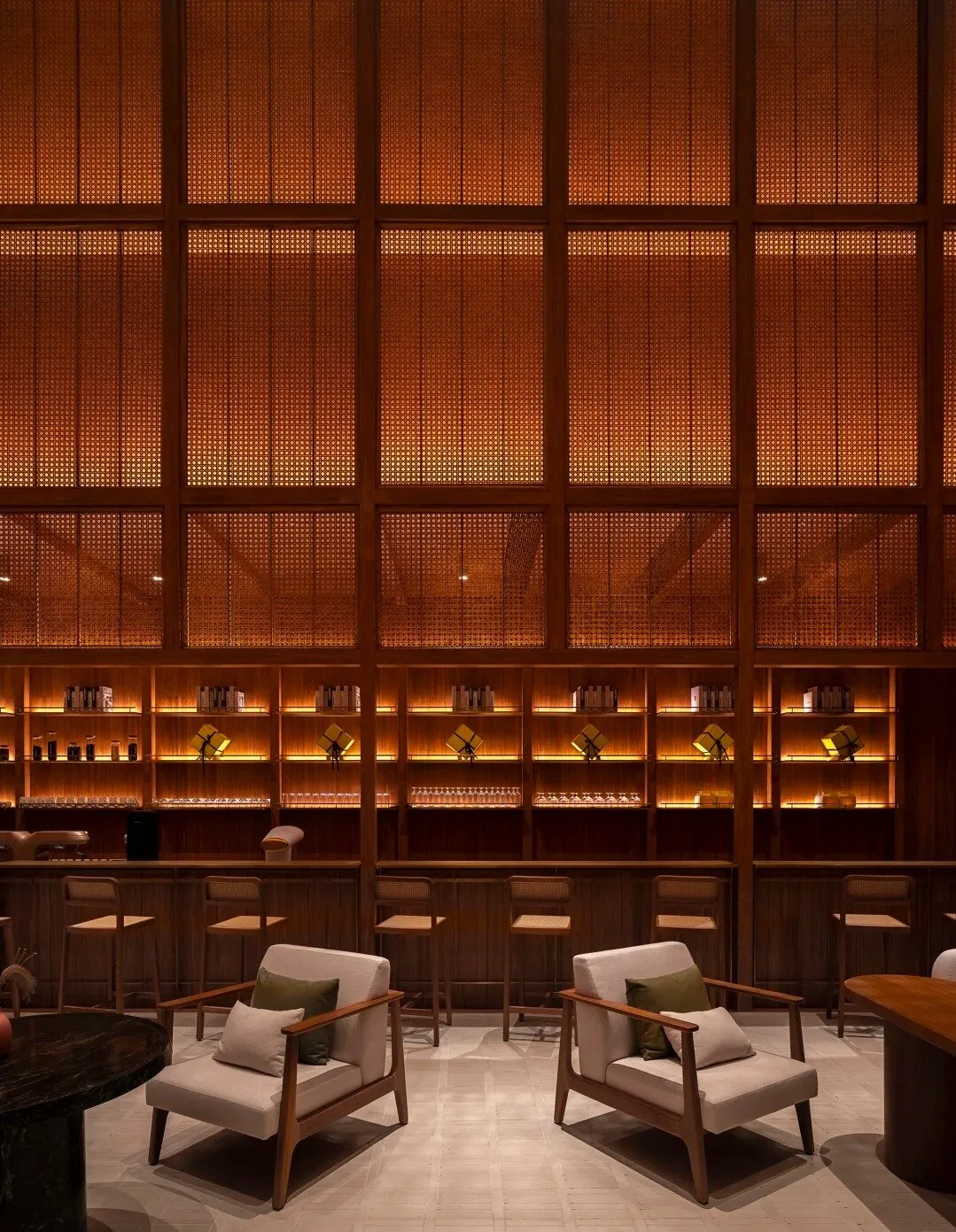
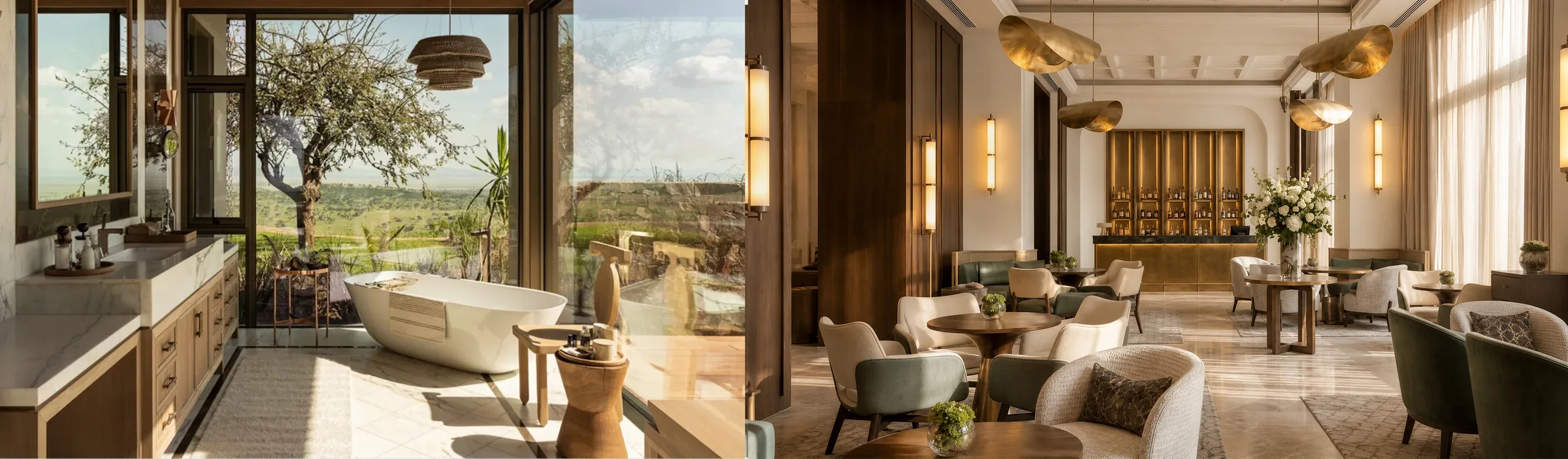
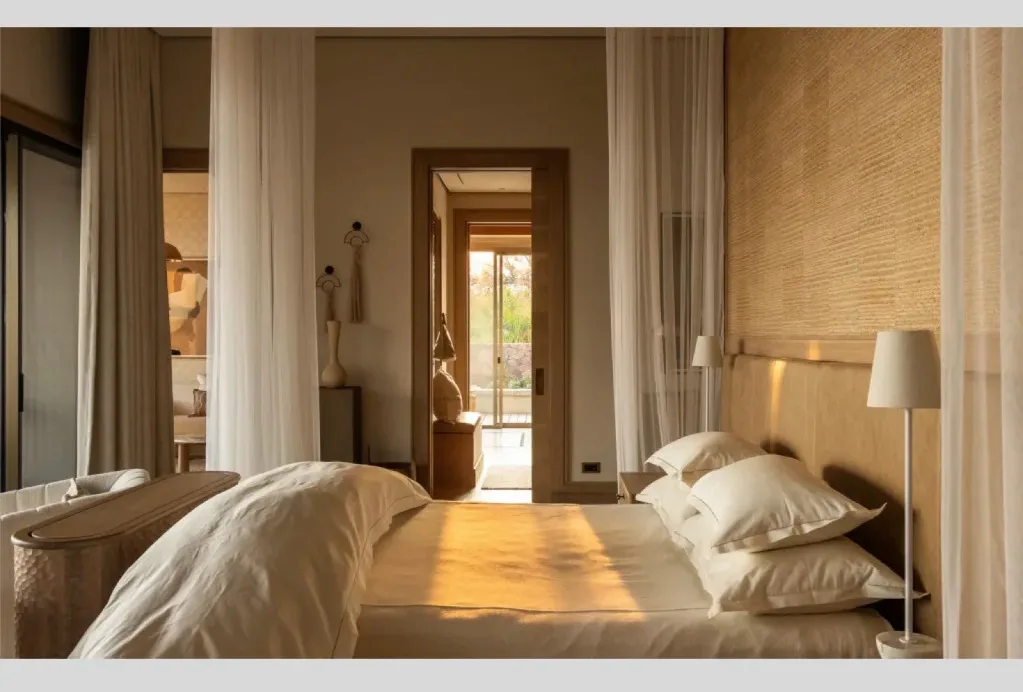
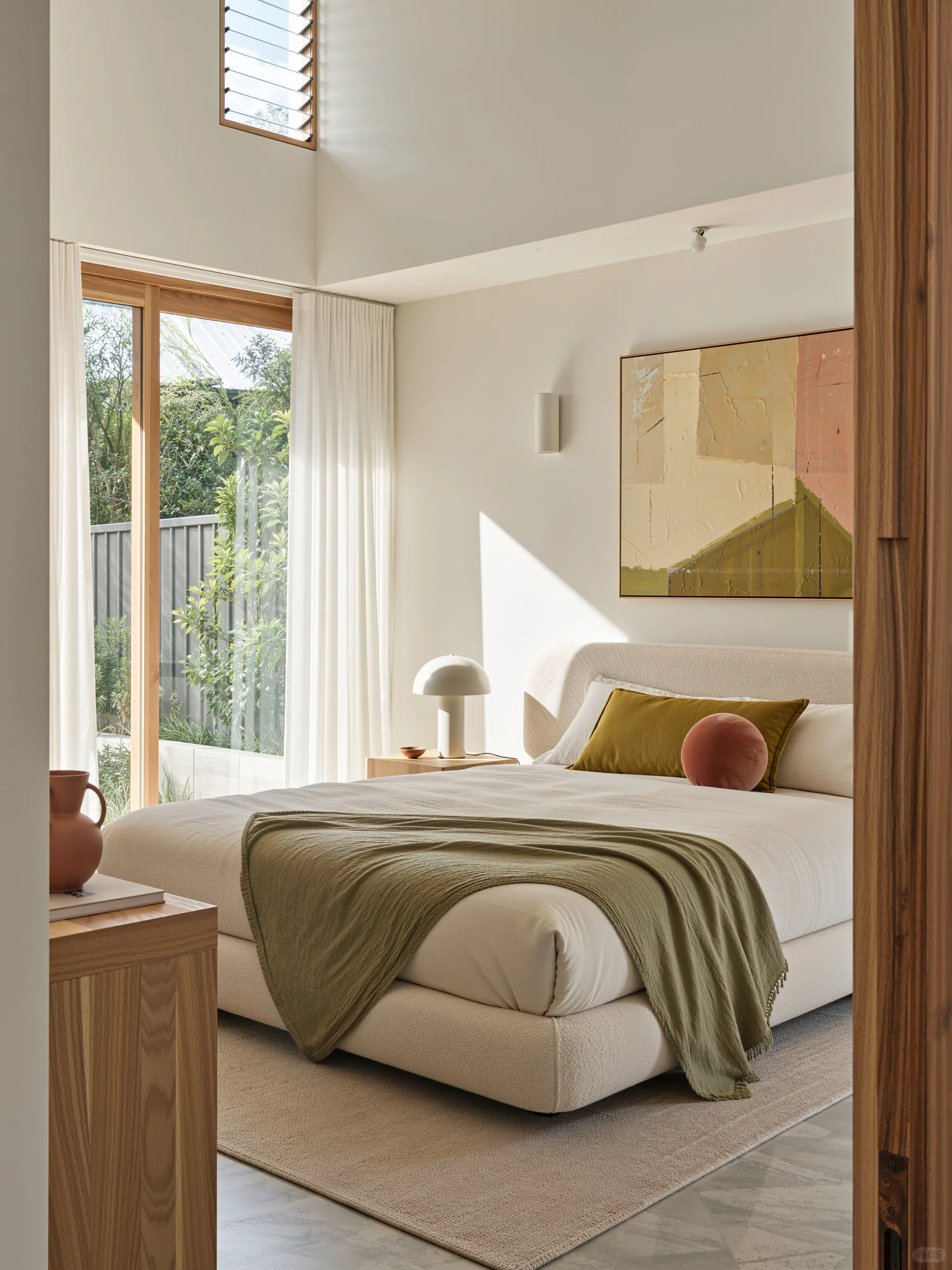
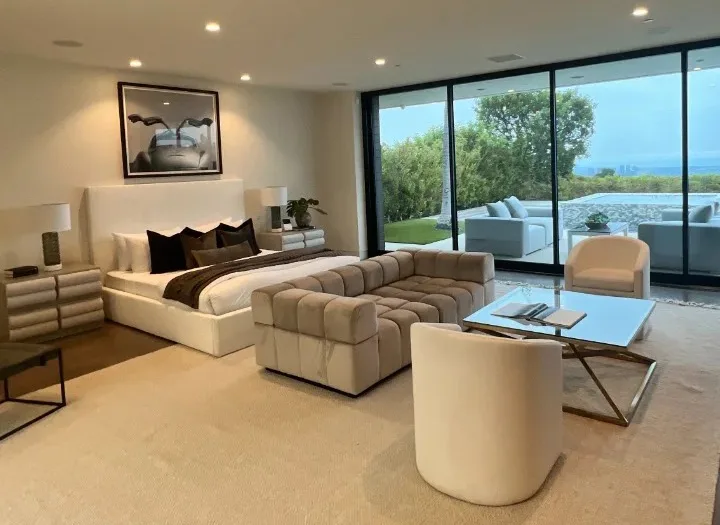
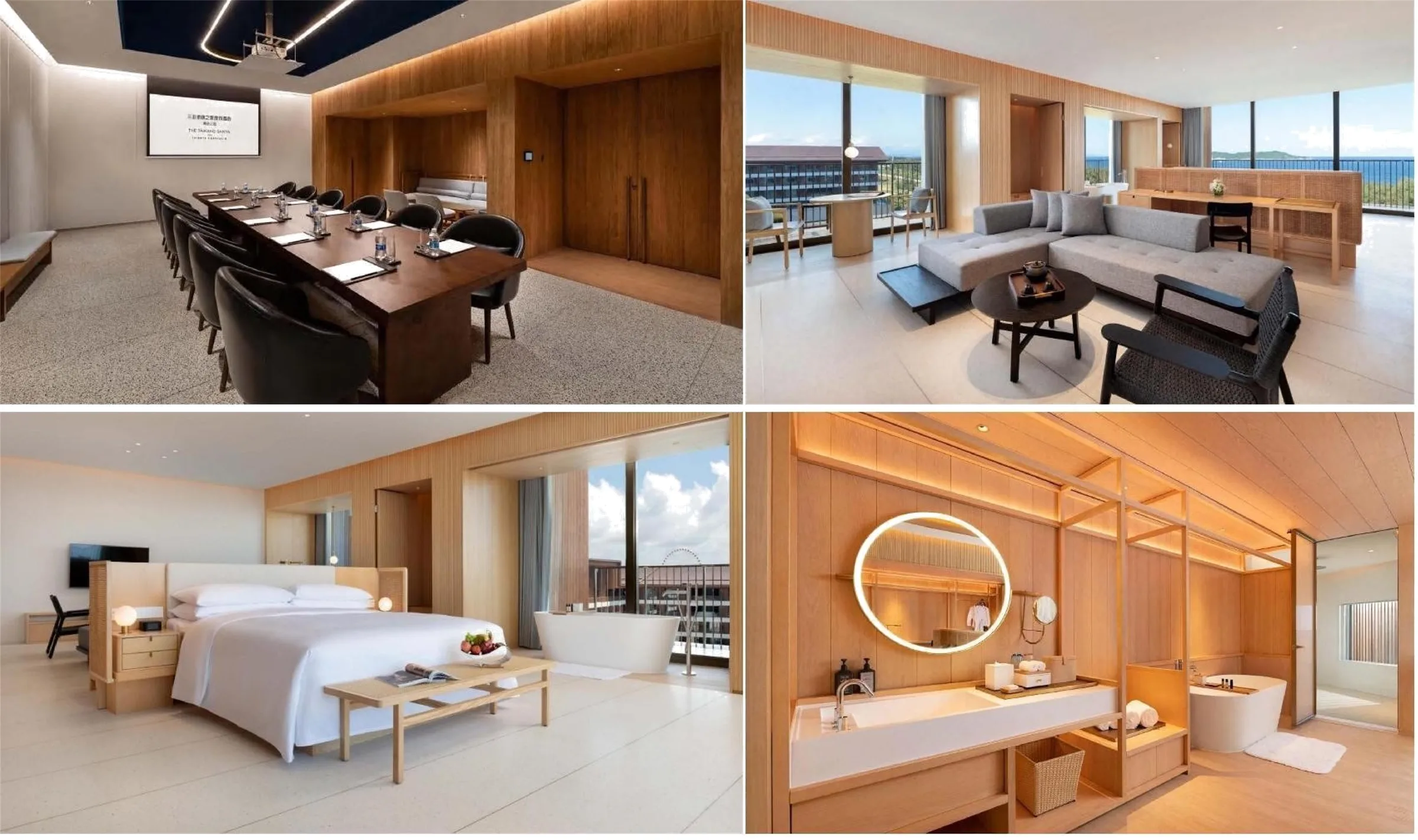
From repeated guestroom casegoods to distinctive lobby pieces, YUESHAN connects design interpretation, custom manufacturing and package coordination for overseas hospitality projects. Most projects arrive as an FF&E hospitality solutions brief covering guestrooms, public areas and restaurant or bar outlets, which is then separated into categories before anything is quoted. The specification record is what turns a package into buildable items; the mock-up argument explains why the first room comes before the three-hundredth.
Bedrooms, lobbies, restaurants and outdoor areas place different demands on appearance, durability, comfort, cleaning and replacement. Each package is developed around where and how the furniture will be used.
Use the categories above to prepare a room or zone brief. Guestrooms need room-type quantities; public areas need coordinated layouts; fixed casegoods need site information; outdoor areas need an exposure and care brief. The same visual direction does not make these requirements interchangeable.
For several categories, begin with the hotel FF&E package scope and the wider FF&E project decision path. List what is included, client-supplied, locally sourced or still undecided. Building works, specialist equipment and operating supplies are not automatically part of a furniture package.
Space and quantities
Record room/zone, room-type count, item code and quantity source. Mark suites, mirrored plans and other variants rather than multiplying one room list blindly.
Specification and ownership
Attach the layout revision, materials and open interfaces. Name who confirms dimensions, samples, performance requirements and installation responsibilities.
Scope and evidence
Identify the proposed supply route and records to review. Ask for relevant product, sample and project evidence; do not select a partner solely from a manufacturer or supplier label.
What separates a workable FF&E hospitality solutions proposal from a catalogue offer is that each category above carries its own quantities, interfaces and approval route, so the brief has to be split before suppliers are compared.
A hotel furniture proposal becomes comparable when every bidder receives the same room types, item codes, quantities, drawings, material intent, approval route and delivery boundary. “Manufacturer”, “supplier” and “turnkey” do not define what is included.
Define each item
Record the item code, room or zone, dimensions, construction, visible and concealed materials, finish, hardware and intended use.
Define each approval
Name the drawing revision, finish or material reference, prototype or mock-up decision, reviewer and release status.
Define each boundary
Separate supply, freight, unloading, installation, site protection, local works, spares and handover responsibilities.
There is no single hotel FF&E price, and any figure offered before the package is defined is an estimate rather than a quotation. The cost of a hotel package is driven by a small number of variables, and each one can be recorded and compared: the specification of every item, the ratio of custom development to standard sourcing, the approval route, the quality-control stage, the packaging and freight method, and the delivery and installation boundary.
Two hotels with similar floor plans can carry very different package costs because the specification depth is different. A package that states construction, substrate, material, finish, hardware and use conditions for every item can be compared and produced repeatedly. A package described by item names and images cannot be compared at all, and the difference usually reappears as a variation, a substitution or a defect later.
Where the scope includes food service areas, the FF&E hospitality treatment differs from guestrooms: durability, cleaning cycles and replacement frequency dominate, so the specification carries more of the value than the visual choice. The restaurant and bar furniture page sets out those conditions, and the hotel FF&E package page shows how the areas are combined into one brief.
How to compare hotel furniture suppliers.
Hotel FF&E suppliers are not directly interchangeable, because the scope they are able to carry differs. A factory that develops one signature piece well and a factory that coordinate a repeated package across twenty categories solve different problems. The comparison therefore has to start with the package, not with the company description.
Compare what is included
Ask each party to describe the same room type and the same item list, and state clearly what is supplied, what is sourced, what is excluded and what is still open. If the packages are not identical, the prices are not comparable.
Compare the development route
Check how custom items are handled: drawing revision, prototype or mock-up decisions, who signs off, and how long each approval takes against the programme.
Compare the delivery and installation scope
Confirm packing, protection, freight, customs, unloading, site protection, installation, spares and handover. FF&E hospitality projects lose time here more often than in production.
Compare the evidence
Ask for the material references, sample records, inspection checkpoints and project records that can be reviewed for the items in your package, rather than a general company list.
Hotel FF&E installation is the point where a package becomes a finished room, and it is the point where responsibility is most often left unstated. The installation scope can include delivery to the floor or to the loading bay, unloading, protection during other trades, setting out against the site, fixing, connection to building services where applicable, snagging, and the handover records.
Some of that work sits with the furniture supplier, some with the main contractor, and some with a local installation team. The three answers do not conflict when they are written down before delivery: supply, site work and local works are separated in the package, each with a named owner, and the handover conditions are recorded against the item revision that was produced.
Start with the target ready date, package quantities, open design decisions and proposed materials. Sampling, revisions, production, QC, shipping and site work need separate allowances confirmed by their responsible parties. A planning estimate is not a guaranteed opening date.
Does commercial hotel furniture have one standard material grade?
No single marketing label defines the complete specification. Record each item's construction, substrate, finish, upholstery, hardware, use conditions and required evidence. Final selections and acceptance methods need agreement for the actual project.
How should hotel performance requirements be supplied?
Identify the destination, product, end use and project requirements. Ask the relevant professional to confirm applicable requirements and request evidence for the selected product or assembly. A generic material certificate does not automatically approve finished furniture.
What is the difference between custom and standard hotel furniture?
Custom furniture is developed to project dimensions and finishes through YUESHAN's Guangzhou design studio and Foshan production network, with drawings and samples approved before production. Standard furniture is sourced from existing ranges. YUESHAN mixes both across one project — signature pieces custom, repeat guestroom items standard.
How should quality be controlled across repeated guestrooms?
For a repeated guestroom package, consistency should be controlled through accepted drawings, material references, samples and defined inspection stages. The proposal must identify who performs each check, what records are issued and how exceptions affect release.
Hotel furniture is a repeated promise to every room and every guest.
The first sample can look convincing. The harder task is carrying the same proportion, finish, comfort and function through guestrooms, public areas, packing and installation.
Owner
How do we protect opening date and brand experience?
Agree decision dates, mock-up scope, approval authority, batch controls, delivery phases and the items that cannot be substituted without review.
Procurement
What belongs in the supplier comparison?
Engineering scope, material build-up, sample cost, inspection plan, packing method, spare components and responsibility for site interfaces.
Designer
How is consistency controlled?
Use approved drawings, master samples, finish ranges, tolerance notes and recorded deviations as production references.
Bring to the conversation
Share the latest drawings or rendering, furniture schedule or BOQ, room quantities, destination, target programme, material references and the decisions that are still open. We will identify what can be quoted now and what should be clarified before production.
 YUESHANDECODesign-led custom furniture & FF&E delivery partner in ChinaSubmit a project ↗